
Today we are featuring a lovely STEM picture book that has made many of the best of 2020 lists, The Nest That Wren Built by Randi Sonenshine and illustrated by Anne Hunter.
This gently rhyming book about Carolina wrens building a nest follows the style of “The House That Jack Built.â€
This is the bark, snippets of twine,
spidery rootlets, and needles of pine
that shape the nest that Wren built.
The text goes into detail about how the wrens gather materials to make the nest. Some of the ingredients are expected, like soft moss for a lining the inside. Others are very surprising, like draping a snakeskin on the outside (to ward off predators). After the nest is built, the story follows the eggs and baby birds through development.
Anne Hunter’s illustrations are a fascinating combination of whimsical and realistic. Young readers will have fun looking for little things hidden in each page.
The back matter includes a glossary and additional interesting facts about wrens.
The Nest That Wren Built will enchant nature lovers, especially budding ornithologists. Surprise yourself with a copy today.
Related STEM activities:
1. Child-sized Bird’s Nest
Let your young makers assemble their own child-sized bird nest. (This is best as an outdoor activity, although some of the materials could be used inside.)
Gather materials to create nests, using items you can recycle or compost. Here are some suggestions:
- Cardboard strips
- Hay or straw (pet supply or craft stores)
- Grapevines (craft stores)
- Shredded paper
- Fallen leaves
- Branches
Show the children some photographs of nests or the real thing if there are some nearby. Always leave the nests where you found them. Even if they are empty, birds can reuse the nesting materials.
This one fell out of a tree after a wind storm:

Talk about some of the reasons birds build nests.
- Place to raise young
- Shelter from adverse weather
- Place to rest
Now have the children build their own human-sized nest. They can work in groups. Young children may need some adult assistance. Be prepared for messy fun.
Note: If you are working with a number of children, they may remove materials from the nests of others. Decide how you want to deal with this in advance. I told them that birds in nature really do take materials from other birds’ nests. Eventually they decided to leave one member of a group in the nest while the others went to gather supplies, just how birds sometimes handle the problem.
Make sure you have your camera ready. You will find there are many creative ways to make nests. Take pictures of your “birds†sitting in their nests.
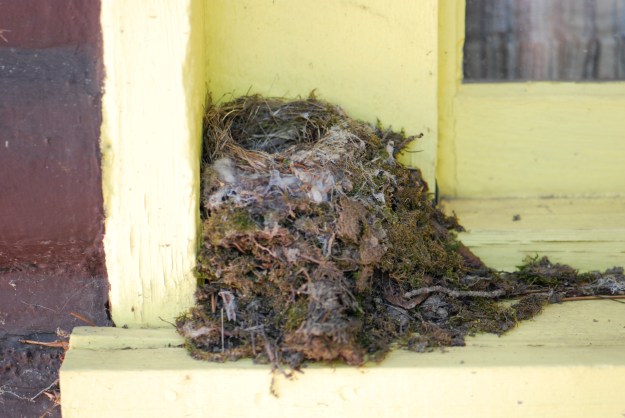 2. See our previous post with several nest-related STEM activities
3. Consider joining the upcoming Great Backyard Bird Count, Feb 12-15, 2021. Share It Science has a free bird counting printable.
4. Want to find out more? Over at Science Books for Kids, we are building a list of children’s books about Animal Architects.


Reading age : 4 – 8 years
Publisher : Candlewick; Illustrated edition (March 10, 2020)
ISBN-10 : 1536201537
ISBN-13 : 978-1536201536
Disclosure: This book was provided by our local library. Also, I am an affiliate with Amazon so I can provide you with cover images and links to more information about books and products. As you probably are aware, if you click through the highlighted title link and purchase a product, I will receive a very small commission, at no extra cost to you. Any proceeds help defray the costs of hosting and maintaining this website.

Come visit the STEM Friday blog each week to find more great Science, Technology, Engineering and Math books.


